
9 Interior Design Mistakes I See Homeowners Make (and How You Can Avoid Them)
One of the things I love most about my job is walking into a home and immediately seeing its potential. Quite often, homeowners apologise for their space before we have even started talking. They point out everything they don't like or tell me they are worried about having made the wrong decisions.
My response is usually the same: most homes don't need to start again, they simply need a clearer plan.
The “mistakes” I come across are incredibly common. They are rarely the result of bad taste. More often, they happen because homeowners are trying to make dozens of interconnected decisions without knowing where to begin. That is completely understandable.
Designing or renovating a home involves hundreds of choices, so it is no surprise that the process can feel overwhelming. The good news is that almost all these mistakes are fixable, and many can be avoided with careful planning.
Here are nine of the most common interior design mistakes I see, and what you can do differently.
In This Guide
Choosing paint before your fixed finishes
Buying furniture in the wrong size
Choosing a rug that is too small
Forgetting to layer your lighting
Ignoring undertones
Hanging artwork too high
Not planning enough storage
Renovating without an overall master plan
Forgetting the connection between rooms
Frequently asked questions
1. Choosing Paint Before Your Fixed Finishes
Paint often feels like the easiest place to begin. After all, it is relatively inexpensive compared with flooring, cabinetry or benchtops. The problem is that paint comes in an almost unlimited range of colours, while fixed finishes offer far fewer options. If you select the wall colour first, you may spend the rest of the project trying to make everything else work around it.
Instead, begin with the elements that are most expensive or difficult to change: flooring, stone, cabinetry, tiles and major furniture pieces. Once these decisions have been made, choosing a paint colour that complements them becomes much easier.
You do not need to make every decision at once. Start by establishing the key materials and overall palette; the supporting choices will then fall into place more naturally. Making decisions in the right order can save a surprising amount of time, expense and second-guessing.
2. Buying Furniture in the Wrong Size
Beautiful furniture will not look beautiful if its scale is wrong for the room. Oversized pieces can make a space feel cramped and difficult to move through, while furniture that is too small can leave it feeling disconnected and unfinished.
It is not only the sofa that needs careful consideration. Coffee tables, side tables, dining tables and bedside tables should all feel proportionate to the room and to one another.
A common misconception is that small furniture will make a small room feel larger. In reality, undersized pieces can make a room feel awkward because they lack enough visual presence to anchor the space.
Before purchasing major furniture, measure the room carefully and think about how people will move through it. Use masking tape to mark the footprint of each piece on the floor. This simple exercise helps you visualise the scale, test circulation space and avoid an expensive mistake.
3. Choosing a Rug That's Too Small
If I had to choose one mistake that instantly changes how a room feels, this would be it. A rug should anchor the furniture, yet many rugs end up floating in the middle of the room with none of the furniture sitting on them. The result is a space that feels smaller and less connected.
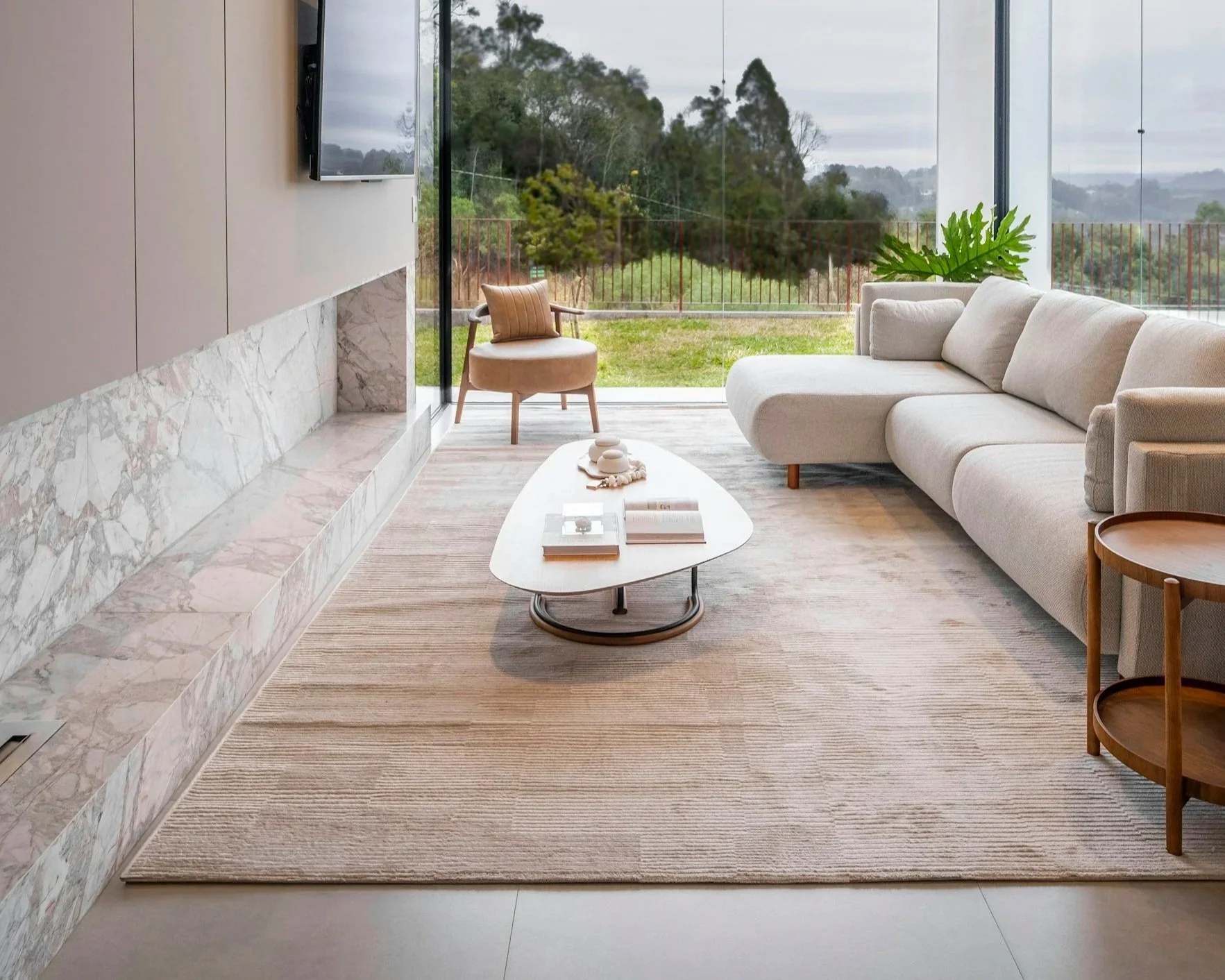
As a general guide, at least the front legs of the sofa and armchairs should sit comfortably on the rug. In a larger room, it can look even better when all the main furniture sits within the rug's boundaries.
People are often surprised by how much more generous and considered a room feels with a larger rug. It does more than cover the floor—it connects the furniture and defines the seating area.
Designer Insight from Lianne
When choosing between two rug sizes, I will usually recommend the larger option—but the furniture arrangement should guide the decision. In a living room, the rug should extend beneath at least the front legs of the main seating and reach beyond the sides of the sofa. This creates one connected conversation area rather than several pieces of furniture floating independently.
4. Forgetting to Layer Your Lighting
Lighting is one of the most underestimated elements of interior design. Many homes rely almost entirely on a single ceiling light in each room. While that may provide enough light to see, it rarely creates warmth or atmosphere.
A well-designed lighting plan usually combines three types of light:
Ambient lighting provides the room's overall illumination.
Task lighting supports activities such as reading, cooking or working.
Accent lighting highlights artwork, shelving or architectural details while creating warmth and mood.
Layering these sources allows your home to adapt throughout the day, whether you are working, entertaining friends or relaxing in the evening. Lamps, wall lights and concealed lighting can also make a room feel more inviting than overhead lighting alone.
Where possible, install dimmers in the main living spaces and bedrooms. It is a relatively small investment that gives you much greater control over the atmosphere and makes each room more flexible.
5. Ignoring Undertones
One of the most common reasons a room does not feel quite right is something many people find difficult to identify: undertones.
Every material has an undertone, including flooring, cabinetry, stone benchtops, paint and upholstery. When warm and cool undertones are mixed unintentionally, a room can feel slightly uncomfortable even when every element is beautiful on its own.
Understanding undertones does not mean everything must match perfectly. It means selecting colours and materials that sit comfortably together. Before making any major decisions, place your samples side by side in the room's natural light. Compare them as a collection rather than assessing each finish in isolation. It is often much easier to see which elements belong together, and which do not.
6. Hanging Artwork Too High
Artwork can transform a room, but its impact depends on how it is positioned. One of the most common mistakes I see is artwork hung too high, leaving it visually disconnected from the furniture below.
Artwork should relate to the sofa, buffet, bed or console beneath it so the pieces read as one composition. A balanced gap is more important than following a single measurement in every room, as the artwork's size, the furniture and the ceiling height all affect the result.
If a room still feels unfinished, try lowering the artwork slightly before adding anything new. A shift of only a few centimetres can completely change the balance.
When planning a gallery wall, arrange the pieces on the floor first or make paper templates for the wall. This allows you to test the composition and spacing before committing to hooks or nails.
7. Not Planning Enough Storage
A beautiful home still needs to work beautifully. No matter how carefully a room has been styled, clutter will quickly take over if everyday items have nowhere to go.
One of the questions I ask clients early in the design process is: “Where is everything going to live?”
It is easy to focus on visible choices such as paint, furniture and lighting, but well-planned storage often makes the biggest difference to how a home functions day to day. Consider what needs to be stored, where it is used and how often it needs to be accessed.
Think beyond your immediate needs. Children grow, families change and hobbies evolve. Planning flexible storage from the beginning creates a home that is easier to live in and easier to keep organised.
The best storage solutions often blend quietly into the design. When cabinetry is carefully integrated, it reduces visual clutter and allows your finishes, furniture and artwork to become the focus.
8. Renovating Without an Overall Master Plan
Not every renovation happens at once. Many homeowners complete their homes over several years: perhaps renovating the kitchen first, replacing the flooring later and gradually updating furniture, window furnishings and lighting as time and budget allow.
There is nothing wrong with renovating in stages. The mistake is doing so without an overall plan.
Without a clear long-term vision, each choice becomes an isolated decision. You may eventually find yourself trying to make new selections work with finishes chosen several years earlier, and the home can begin to feel disjointed.
A master plan does not mean buying everything immediately. It simply establishes where the home is heading. It can include the overall colour palette, flooring, key materials, lighting approach, joinery, furniture layouts and the order in which work should happen.
Knowing the long-term direction allows you to make confident decisions now, even if the next stage is still a year or two away.
Designer Insight from Lianne
If you are renovating in stages, make the decisions that affect multiple rooms before beginning the first one. Flooring transitions, timber tones, paint colours, hardware finishes and lighting temperatures should be considered across the whole home. Documenting these choices in a simple master plan helps each stage connect—even when the renovation takes several years to complete.
9. Forgetting the Connection Between Rooms
A master plan considers the project over time; visual continuity considers how the finished rooms relate to one another.
It is natural to focus on the room you are currently renovating, but that room is rarely experienced in isolation. A beautiful kitchen can feel out of place if it bears no relationship to the adjoining living area. Likewise, a thoughtfully furnished living room can lose its impact if the hallway leading to it feels completely disconnected.
The most cohesive homes have common threads running throughout them. These might include repeated colours, complementary materials, related timber tones or consistent metal and hardware finishes.
That does not mean every room should look identical. Each space can have its own character while still belonging to the same home. Repeating selected elements creates a gentle visual rhythm and makes the transition between rooms feel considered and natural.
Frequently Asked Questions
What Should I Choose First When Designing a Room?
Begin with the elements that are hardest or most expensive to change, such as flooring, cabinetry, stone, tiles and major furniture pieces. Once these are established, you can select paint, lighting, rugs and accessories that support the overall palette.
How Can I Avoid Buying Furniture That Is the Wrong Size?
Measure the room and the access points carefully, then mark the proposed furniture dimensions on the floor with masking tape. Check that doors and drawers can open and that there is comfortable space to move around each piece. For a more involved room, a scaled furniture plan can help you test several layouts before purchasing.
Do I Need an Interior Designer for a Renovation?
Not every project requires full interior design services, but professional guidance can be valuable when decisions affect several rooms, involve expensive fixed finishes or need to work across multiple renovation stages. An interior designer can help establish a cohesive plan, identify potential problems early and give you greater confidence before you commit to major purchases.
Final Thoughts
Most interior design mistakes do not come from poor taste. They happen when individual decisions are made without considering scale, function, lighting or how the home works as a whole.
Measuring carefully, comparing materials together and creating an overall plan before purchasing can prevent costly mistakes and make the process feel far less overwhelming. A thoughtfully designed home is not about following rigid rules or making every room identical. It is about creating spaces that function beautifully, feel connected and reflect the people who live there.
If you are planning a renovation or struggling to bring your ideas together, professional guidance can help turn a collection of individual decisions into a clear, cohesive home.
Get in touch with McMahon Design to discuss your interior design project.